Înapoi la știri
Can’t Stop Snacking? A New Study Says It Could Be An Automatic Brain Response - HuffPost
1 oră în urmă
15 minute min
Maria Popescu
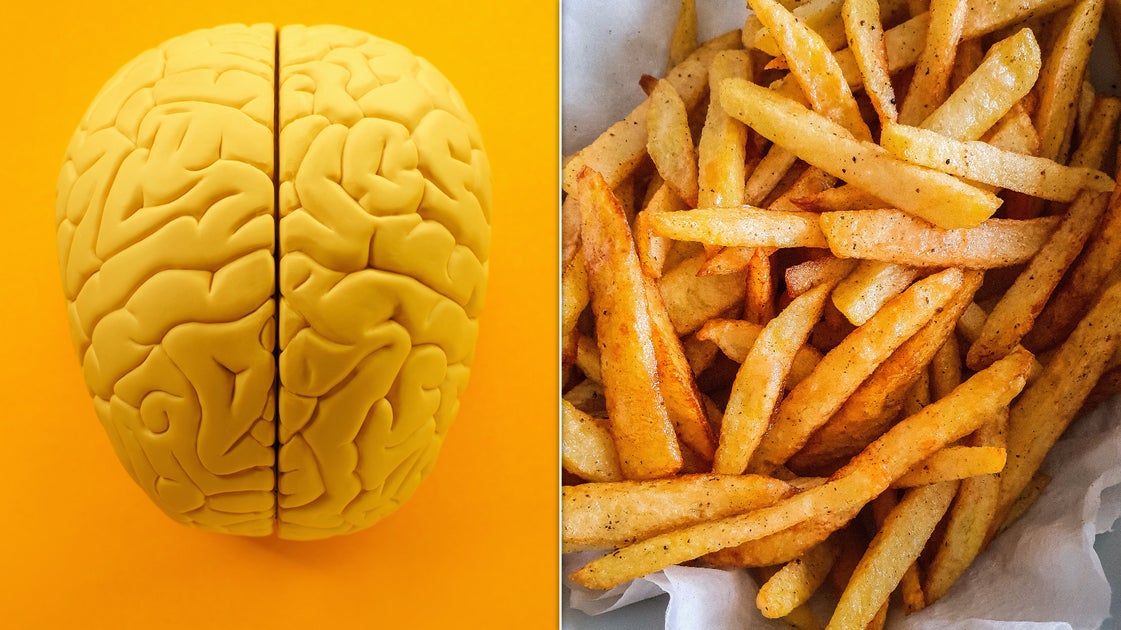
LOADINGERROR LOADING var currentScript = document.currentScript; function pollConsentAndRun() { var pollInterval = 100; var poller = setInterval(function() { if (window.HP && typeof window.HP.sp_consent !== 'undefined') { clearInterval(poller); runConnatixWithSSAI({ hasConsent: window.HP.sp_consent}); // If undefined, keep polling } }, pollInterval); } function runConnatixWithSSAI({ hasConsent }) { var disableAdsWebview = typeof window.disableAdsWebview !== 'undefined' ? window.disableAdsWebview : null; var disableAds = (disableAdsWebview ?? false) || !hasConsent; var isVideoEntry = false; if (!disableAds && isVideoEntry) { SSAIWrapper(); } else { runConnatix({ disableAds }); } } function SSAIWrapper() { (async () => { let response; try { response = await fetch("https://ssl.p.jwpcdn.com/player/v/8.40.2/googima.js", { method: "HEAD" }); } catch(e) { return true; } if (response.status < 400 && response.status >= 200) { return false; } return true; })().then((isAdBlocked) => { if (!isAdBlocked) { //RUN CONNATIX SCRIPT AS IS CURRENTLY runConnatix({ disableAds: false }); } else { const element = document.getElementById("69e7a934e4b0dc1990b66c71"); const wrapper = element ? element.closest(".connatix-wrapper") : null; const playerConfig = { playlist: 'https://cdn.jwplayer.com/v2/site/aFnzj9YE/media/ext:05a1c7f5-5cf4-4f52-aed2-21ad8d8d8a97', advertising: { client: 'ssai', siteId: 'aFnzj9YE', adConfigId: 't1HqZa9l', stitchMode: 'ssai' }, hlsjsConfig:{ enableWorker: false } }; if (!wrapper) { runConnatix({ disableAds: false }); return; } const jwPlayer = jwplayer(wrapper); if (jwPlayer && typeof jwPlayer.setup === 'function') { jwPlayer.setup(playerConfig); } else { console.error('JW Player setup is unavailable, falling back to Connatix standard mode'); runConnatix({ disableAds: false }); } } }); } function runConnatix({ disableAds }) { var label_69e7a934e4b0dc1990b66c71 = "ctx-wait-69e7a934e4b0dc1990b66c71"; var defer_69e7a934e4b0dc1990b66c71 = currentScript; var floatMode = undefined; var playbackModeWebview = typeof window.playbackModeWebview !== 'undefined' ? window.playbackModeWebview : null; var playbackMode = playbackModeWebview ?? undefined; const playerId_69e7a934e4b0dc1990b66c71 = 'ff7fdddc-5441-4253-abc4-f12a33fad58b'; console.time(label_69e7a934e4b0dc1990b66c71); window.waitForGlobal( () => window.cnxel && window.HP && window.HP.params && window.HP.params.clientUUID && window.localStorage && defer_69e7a934e4b0dc1990b66c71 && defer_69e7a934e4b0dc1990b66c71.parentElement.dataset.ready === "true", () => { console.timeEnd(label_69e7a934e4b0dc1990b66c71); (new Image()).src = 'https://tr.thecontentserver.com/tr/si?token=' + playerId_69e7a934e4b0dc1990b66c71 + '&cid=1bf35e8b-3d55-48a6-aef8-0ebfdd277df7'; cnxel.cmd.push(function() { cnxel({ mediaId: "05a1c7f5-5cf4-4f52-aed2-21ad8d8d8a97", playerId: playerId_69e7a934e4b0dc1990b66c71, playlistId: 'undefined', customParam1: window.localStorage.getItem("cet-page_session_id"), customParam2: "69e66691e4b0b6f552bb6596", customParam3: "", customParam4: "desktop", customParam5: window.HUFFPOST.params.clientUUID, settings: { playbackMode: playbackMode, disableAdvertising: disableAds, customization: { floating: { mode: floatMode, floatingGutterY: 58, } } } }).render("69e7a934e4b0dc1990b66c71", (renderError, playerApi) => { const wrapper = document.getElementById("69e7a934e4b0dc1990b66c71").closest(".connatix-wrapper"); const loadingEl = wrapper !== null ? wrapper.querySelector(".loading-message") : null; if (renderError) { // An error occured while rendering the player if(loadingEl !== null) { loadingEl.classList.add("error"); } ; return; } else { // player is ready and rendered if(loadingEl !== null) { loadingEl.classList.add("loaded"); } const dismissBottomStickyButton = document.querySelector(".ad-bottom-right-sticky__close"); const bottomStickyContainer = document.querySelector(".bottom-right-sticky-container"); if (bottomStickyContainer && dismissBottomStickyButton) { playerApi.on(cnxel.configEvents.FloatingEnterStart, function() { dismissBottomStickyButton.classList.add("slide-out"); bottomStickyContainer.classList.add("video-floating"); }); playerApi.on(cnxel.configEvents.FloatingExitStart , function() { dismissBottomStickyButton.classList.remove("slide-in"); bottomStickyContainer.classList.remove("video-floating"); }); playerApi.on(cnxel.configEvents.CloseButtonClicked , function() { bottomStickyContainer.classList.add("slide-out"); }); } } }); }) } ); } (function() { if (typeof window._sp_ !== 'undefined') { pollConsentAndRun(); } else { runConnatixWithSSAI({ hasConsent: true }); } })(); When you’re full after a big meal but still reach for a bag of chips or a box of cookies, you might blame it on a lack of willpower. But a new study suggests it could be due to how your brain responds to snacks, whether or not you’re hungry. In the study, published in the journal “Appetite” in March 2026, researchers measured people’s brainwaves after eating and found that despite being full, they still responded to tempting food cues, such as chips, chocolate and popcorn. “Cues are huge,” Thomas Sambrook, the study’s lead author and a psychology lecturer at the University of East Anglia in Norwich, England, told HuffPost. We live in an environment where “we are bombarded with signals that indicate the nearby availability of tasty food that’s going to make us happy momentarily,” he said, and the brain may respond to this constant exposure by forming habits that tell you to eat when you’re not hungry. So does that mean snacking is an automatic brain response that’s beyond your control? Here’s what to know about why we snack and how to break over-snacking habits. In the study, electroencephalogram (EEG) brain scans monitored 76 hungry people as they played a reward-based game with savory and sweet foods, including cheese-flavored chips, marshmallows, fruit cocktail and rice cakes. They were given a meal of one of the foods halfway through and encouraged to eat until they were full. Afterward, when they were shown images of foods that they said they didn’t want, the areas of the brain associated with rewards continued to respond. “It doesn’t matter how sick you are of the food, the brain responds with a reward signal when you see a cue,” Sambrook said. The brain is “highly sensitive to food images,” Jessica Higgins, a registered dietitian in the Lifestyle Medicine Program at NYC Health + Hospitals/Woodhull, told HuffPost. GettyResearchers measured people’s brainwaves after eating and found that despite being full, they still responded to tempting food cues.She said the latest study adds to other research showing that what causes you to snack “often has little to do with true hunger,” and may include “where we are, who we’re with, our emotions, what types of foods are available around us, and food s.” The desire or urge to snack may be “quick and automatic, so it may seem like you’re out of control, but control still exists,” Theresa Gentile, a spokesperson for the Academy of Nutrition and Dietetics, told HuffPost. “I spend a lot of time helping my clients build new habits so eating well feels easier and doesn’t rely on willpower alone,” she said. This often involves reshaping their environments to avoid cues that trigger the urge to snack — for instance, by avoiding a work breakroom full of junk food, Gentile explained. You may not have control over how your brain responds to seeing food, but you can control whether you eat it, Higgins said. Recognize what entices you to snack (such as food ads, stress or social pressure), focus on what you can control (the foods you buy), the meals you eat during the day, and your body’s hunger and fullness cues. Snacking isn’t always a negative thing. Gentile said it can be an opportunity to fill nutrition gaps when it’s not possible to meet your nutritional requirements in three meals a day. “Snacks, especially if healthful, also fuel us during long periods of time in between meals,” she said. The downside is that people often turn to junk food, which lacks nutrition and typically contains excess sugar and fat, Gentile said. These foods tend to be “hyperpalatable,” meaning they’re hard to stop eating, and pack in extra calories in small portions, Higgins added. People also tend to snack out of boredom, which can reinforce unhealthy habits and lead to overeating, Gentile said. Snacking also isn’t a good idea if it causes you to skip nutritious meals, Higgins added. When you respond to a food cue, you’re creating an association that becomes a habit, Sambrook said, adding, “But every time you don’t engage in habitual behavior, you weaken that association and de-automatize it.” So, breaking a snacking habit starts with avoiding the cues, he said. But that can be easier said than done. Here are some tips to avoid over-snacking: All foods can fit into a healthy eating pattern, including snacks, Higgins said. If you need help scheduling snacks, exploring your relationship with food, or identifying the best foods to meet your needs, she suggested seeking advice from a registered dietitian. “Healthy snacking is about balance, timing, and choosing nutritious foods,” she said. It can help you increase your intake of fruits, vegetables, healthy proteins and fats, and whole grains. For example, some healthy snacks include fruit and nuts, popcorn, roasted chickpeas or edamame, veggies with hummus or guacamole, or whole wheat toast with peanut butter. Overall, keep healthier foods visible and easy to grab, and less nutritious options out of sight, Gentile said. “At the end of the day, your environment matters,” Gentile added. “If you come home starving and a bag of chips is sitting right in front of you, chances are you’ll reach for it.” It's One Of The Fastest-Growing Snacks In The Nation. It Also Comes With A Concerning Risk.The Best Snacks For Aging Well And Preventing Cognitive Decline, According To Nutrition ExpertsThe Science-Backed Reason Why Drinking Diet Soda Makes You Hungrier Go to HomepageLeave a CommentSuggest a correction|Submit a tip From Our Partner HPGam.cmd.push(function(){ return HPGam.render("sidebar-1", "right_rail_content_1", false, false); }); From Our Partner HuffPost Shopping'sBest FindsLoading...Newsletter Sign UpThe Good LifeA completely essential daily guide to achieving the good life.Successfully Signed Up!Realness delivered to your inboxBy entering your email and clicking Sign Up, you're agreeing to let us send you customized marketing messages about us and our advertising partners. You are also agreeing to our Terms of Service and Privacy Policy.