Înapoi la știri
Giant Study Reveals Why Some Viruses Hide Inside Your Body For Life - ScienceAlert
1 oră în urmă
6 minute min
Simona Stan
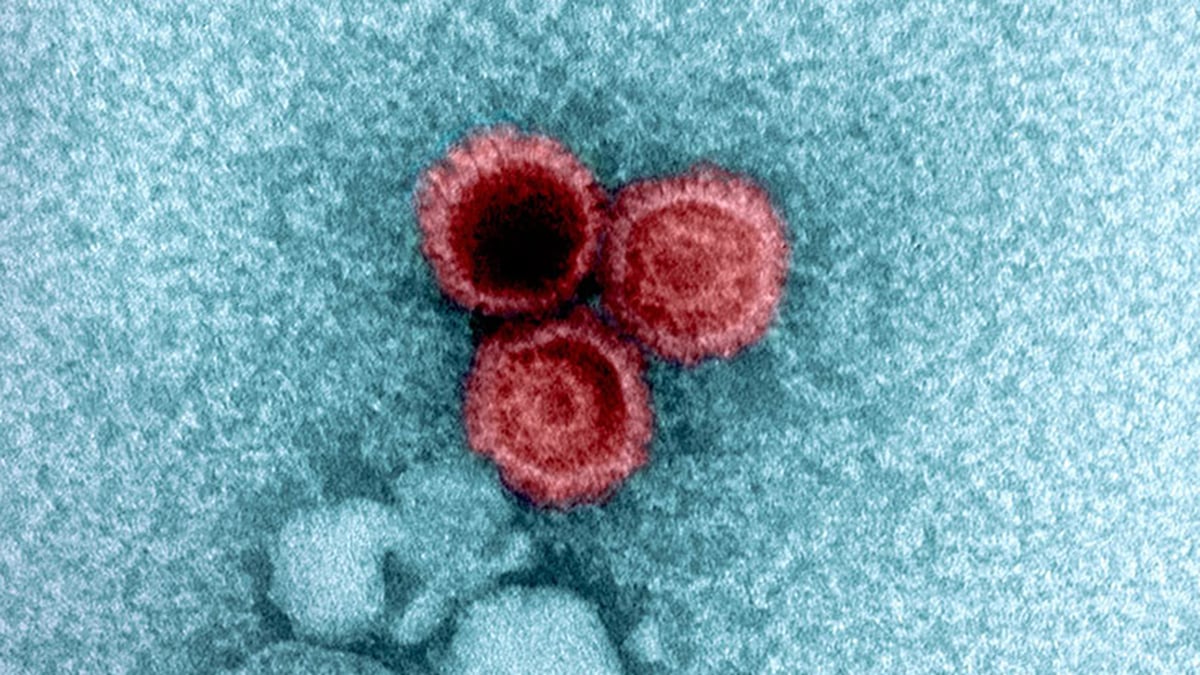
Even the healthiest people among us are usually carrying viruses in their bodies. These lurkers may eventually manifest as disease, but otherwise lie dormant, evading detection, lest they be expunged altogether. A new study sheds more light on common viruses that bunker down inside the cells of healthy individuals, and the viral load people typically carry. A team led by researchers at Harvard Medical School examined records of blood and saliva samples from more than 917,000 people across three medical databases, looking at patterns in the amount of viral DNA circulating through people's bodies when those infections didn't progress to disease. Analyzing genetic fragments to calculate what's known as viral load, this measure indicates which viruses are present, as well as how well the immune system is fighting them off. The researchers linked virus load levels to specific areas of human DNA, drawing associations between certain genetic characteristics and other demographic factors, such as a person's age and sex, and their ability to suppress viruses. "We're getting to the point now where we can use human genetics to try to answer fundamental questions about pathology resulting from viruses," says geneticist and lead author Nolan Kamitaki. The data revealed 82 specific locations (or loci) in the human genome associated with viral DNA load, especially in the Major Histocompatibility Complex (MHC) – a master control center for the body's immune system. Other patterns emerged for different viruses. The Epstein-Barr virus (EBV), for example, became more prevalent with age, while the herpes virus HHV-7 declined from middle age. EBV viral load went up in the winter and down in the summer, while others were more consistent. Using a statistical technique called Mendelian randomization, the researchers also fleshed out links between viruses and certain diseases. The team found that a high viral load for EBV was a direct risk factor for developing Hodgkin's lymphoma later in life. However, the same relationship was not found between EBV and multiple sclerosis (MS), even though EBV is a known trigger for MS. That's an interesting finding because it suggests the link between MS and EBV depends on how the immune system responds to the virus, rather than the amount of virus present. "This finding is an example of why virus research in large genetic biobanks is important," says Kamitaki. As for EBV and Hodgkin's lymphoma, the association with high viral loads suggests antivirals could potentially reduce the risk of Hodgkin's lymphoma – although that idea still needs to be tested. Non-genetic factors were associated with viral DNA load too, including age, sex, and whether or not someone smoked. Most viruses were more prevalent in men compared to women. Researchers can build on these findings to further study how one person's risk of disease can differ from another's – even though they might have the same viruses lurking in their bodies. These viruses are more widespread than you might think. Three of the viruses the researchers scanned for, known as anelloviruses, are found in 80-90 percent of the general population – but it's still not clear what their relationship to disease is. Related: Universal Vaccine Blocks Viruses, Bacteria, And Allergies With a Nasal Spray It's worth bearing in mind that, due to the genome sequencing data they sourced, the researchers behind this study only looked at DNA viruses, which hide in and hijack DNA. Additional work could also investigate RNA viruses, such as coronaviruses, which operate differently. And it's not just current infections that can influence our health. Sometimes old viruses that stitched their way into our genomes eons ago, but lost the ability to replicate, still affect our health in strange ways. "It's amazing how much DNA can teach us about dynamic biological processes and the ways in which our habits, our genes, and our biology shape those processes," says geneticist Steven McCarroll. The research has been published in Nature.